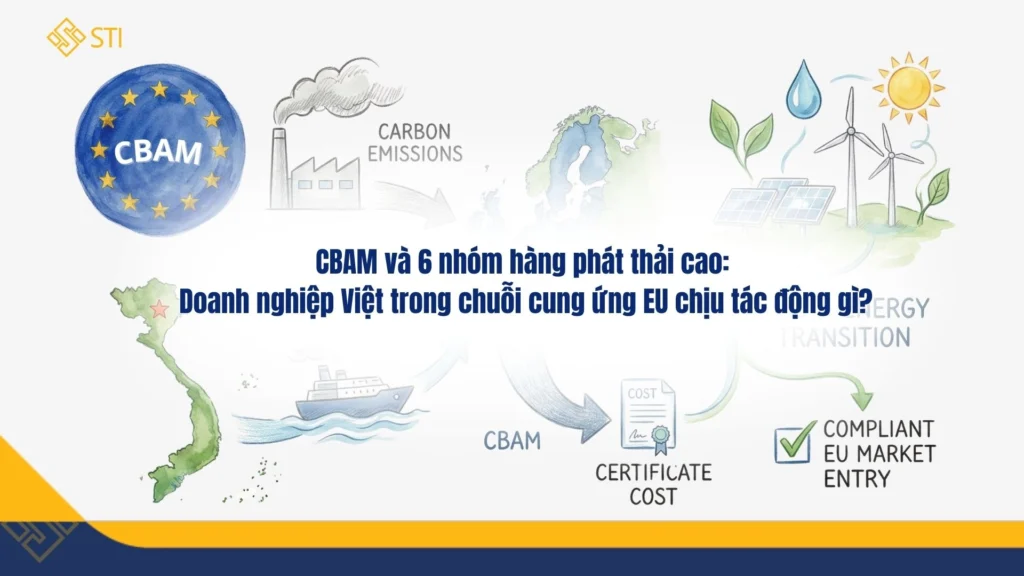
Workshop on Carbon Market Development: International Experience and Policy Implications for Vietnam
The workshop titled “International Experience in Carbon Market Development and Policy Implications for Vietnam” was co-hosted by the Ministry of Foreign Affairs, the Ministry of Natural Resources and Environment (MoNRE), and the Organisation for Economic Co-operation and Development (OECD).
In his remarks, Deputy Minister of Foreign Affairs Nguyen Minh Vu stated that green standards are increasingly taking shape and being realized through the integration of international trade and investment with criteria regarding carbon emission reduction, sustainable development, labor rights, and the environment.
Meanwhile, as new green alliances and initiatives are being consolidated, the official noted that this presents an opportune moment for Vietnam to establish and elevate its position within global green value chains.
The Deputy Minister emphasized that developing green financial markets, particularly the carbon market, will be key to a successful green transition. However, he acknowledged that this is no easy task, especially given that developing nations often lack established green standards and quality criteria.
Providing further insight, Mr. Nguyen Tuan Quang, Deputy Director of the Department of Climate Change (under MoNRE), stated that Vietnam has issued strategic documents on green growth and sustainable development. These include a roadmap for developing carbon pricing instruments, with a specific focus on the compliance carbon market.
Initially, the country aims to accelerate the formulation of regulations on carbon credit management and greenhouse gas (GHG) emission quota trading. The goal is to provide guidance on domestic and international carbon credit exchanges in accordance with laws and international treaties, aiming to pilot a carbon credit exchange platform by 2025, Mr. Quang added.
At the workshop, OECD representatives commended the Vietnamese Government’s efforts in promoting green growth and sustainable development. They expressed a positive impression of the country’s commitment to Net Zero emissions at the 26th UN Climate Change Conference (COP26), noting that Vietnam holds great potential to develop a dynamic, high-quality, and efficient carbon market.
Representatives noted that a compliance carbon market is gradually emerging in the country. To date, Vietnam has 150 projects granted 40.2 million carbon credits, making it one of the top four countries with the highest number of registered projects under the Clean Development Mechanism (CDM).
Several European businesses and experts highlighted that the EU Emissions Trading System (EU ETS) has contributed to reducing emissions and promoting sustainable growth in profits without compromising business competitiveness. Furthermore, it has created new jobs and rapidly built a Social Climate Fund to support those heavily affected by carbon taxes and climate change.
OECD representatives asserted that to build a carbon credit trading system, nations should clearly define the system’s objectives and caps (limits) while ensuring legal transparency in related sectors.
Representatives from international organizations advised Vietnam to focus more on strengthening a multi-stakeholder approach; promoting linkages across industries, sectors, and levels; encouraging private sector participation; and building a comprehensive carbon database. They pledged to support and cooperate with Vietnam to foster the local carbon market.
Experts also shared international experiences and proposed relevant recommendations for Vietnam regarding domestic carbon market development. These included perfecting related frameworks and policies, improving the overall quality of human resources and infrastructure systems, and encouraging international cooperation mechanisms.
In the context of the inevitable trend toward green transition and the development of a low-carbon economy, the construction, operation, and promotion of a carbon market are becoming increasingly vital tools, experts emphasized.
Source: VOV
Related Articles
CBAM EU: Crisis or Opportunity? What should Vietnamese businesses do to proactively adapt?
The EU CBAM Challenge: Navigating the new “Rules of the Game” for Vietnam’s Steel Industry

Vietnam’s Steel Industry and CBAM: From “Carbon Barrier” to Green Competitive Advantage
Roadmap for preparing data for CBAM reporting: what exporting enterprises need to do?

Moving toward green exports: Checklist that Vietnamese SMEs need to be aware of before January 2026?