In the context of global integration, Europe is widely regarded as a market with significant potential but also stringent requirements. One of the prerequisite conditions for products to be legally present in this market is CE certification. In practice, many enterprises still consider CE solely as a mandatory set of documents. However, if the process is viewed only in this way, more substantial values are overlooked.
CE not only demonstrates compliance with international safety, quality, and transparency standards, but also functions as a strategic instrument to enhance brand credibility, strengthen customer confidence, and expand business cooperation. In consultancy and training programmes related to quality management, import–export activities, or competitive strategy, CE is consistently referred to as a specific form of “passport”.
This article provides an in-depth analysis of the actual value of CE, the challenges enterprises commonly encounter, and the competitive opportunities associated with CE. On this basis, enterprises may position CE not merely as an obligation, but as a foundation for establishing sustainable advantages in the international market.
CE certification: a key advantage for products to overcome European market barriers
A product holding CE certification indicates that it meets the stringent requirements of the European Union regarding safety, health, and quality. This provides two parallel values: it supports customer confidence in product selection and affirms the credibility and capability of the enterprise in the international market.

Product with CE certification
When a product bears the CE marking, the enterprise gains a clear advantage in persuading partners, expanding cooperation, and strengthening its position within the industry. This is not only a means of access to Europe, but also evidence of product quality and corporate social responsibility.
To obtain CE certification, enterprises are required to undergo a structured process, including: identification of applicable standards (ISO, RoHS, and relevant technical standards), preparation of detailed technical documentation (test reports, risk assessments, manufacturing documentation), and subsequent assessment by recognized organizations such as TÜV, SGS, BSI, or bodies under the European Commission. The time and cost required to complete this process depend on the specific product group and its level of complexity.
Challenges commonly encountered by enterprises in achieving CE marking
Many enterprises encounter difficulties when implementing CE certification due to an insufficient understanding of EU regulations. Incomplete or inadequately prepared documentation is a common issue, resulting in extended timelines or even rejection. Another frequent issue is underestimating the product risk assessment stage, which is a fundamental element for CE recognition. In addition, delays in submitting supplementary documentation may cause enterprises to miss opportunities to access the market at an appropriate time. For these reasons, enterprises need thorough preparation from the outset or cooperation with experienced consultancy organizations to reduce timelines and avoid unnecessary risks.
CE as an investment providing sustainable value
Holding CE certification indicates that enterprises significantly reduce trade barriers, limit risks related to quality standards, and strengthen brand trust among partners and customers.
In the long term, CE not only provides advantages within the EU market but also establishes credibility when enterprises expand into other regions. For many international partners, CE serves as a benchmark for quality, enabling enterprises to more readily participate in global supply chains and enhance competitive capacity.
Global trends: why CE is increasingly becoming a strategic requirement
At present, the European Union is one of the largest consumer markets globally, with a population exceeding 449 million. Holding CE certification enables enterprises to access this large customer base directly without technical barriers. In particular, in key sectors such as medical devices—which account for approximately 30% of global market share and are projected to reach nearly USD 61 billion by 2025—CE is a mandatory requirement for lawful market presence.
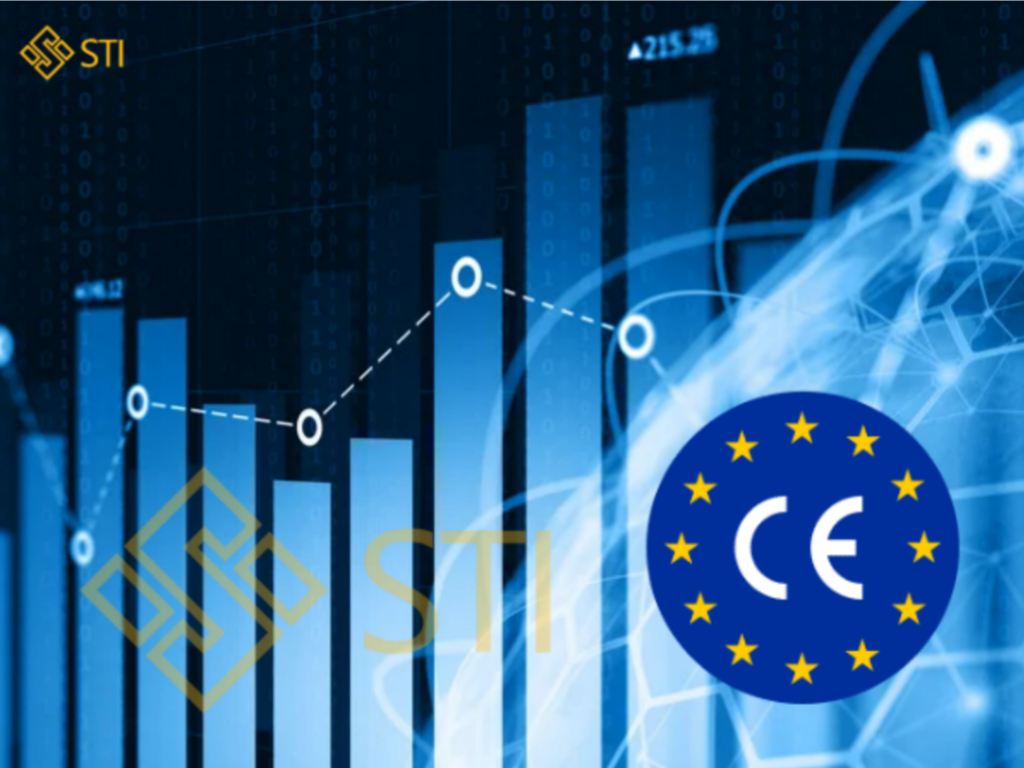
CE marking is increasingly becoming a global trend
Beyond market access opportunities, growth trends in the certification sector indicate that CE is becoming a long-term strategic requirement. In Europe, the testing, inspection, and certification (TIC) sector reached a value of USD 56.7 billion in 2024 and is projected to increase to nearly USD 80 billion by 2033. Globally, the certification market is also experiencing significant growth, from USD 50.2 billion in 2024 to an estimated USD 79.3 billion by 2033, with an average annual growth rate of 5.2%.
These figures clearly reflect a trend: the earlier enterprises achieve CE, the more readily they gain advantages as global competition becomes increasingly stringent. In other words, CE has extended beyond the scope of a mandatory certification to become a global benchmark in international trade.
From obligation to competitive distinction
If CE is viewed solely as an administrative burden, enterprises will consistently perceive pressure. However, if it is considered a strategic distinction, CE becomes a means to establish brand credibility, legalize products within Europe, and differentiate from competitors.
If your enterprise is preparing to enter the European market or seeks to enhance quality standards in anticipation of global trends, please contact STI for detailed consultancy and to initiate the process of accessing these demanding markets.
Related Articles

CBAM EU: Crisis or Opportunity? What should Vietnamese businesses do to proactively adapt?
The EU CBAM Challenge: Navigating the new “Rules of the Game” for Vietnam’s Steel Industry

Vietnam’s Steel Industry and CBAM: From “Carbon Barrier” to Green Competitive Advantage
Roadmap for preparing data for CBAM reporting: what exporting enterprises need to do?

Moving toward green exports: Checklist that Vietnamese SMEs need to be aware of before January 2026?