



The Prime Minister affirmed that Vietnam is implementing strong measures to achieve net-zero emissions by 2050.
ISO 14006: Ecodesign Management System
In the era of sustainable development, businesses not only need to create quality products but also ensure they are environmentally friendly. Today’s customers are increasingly concerned about the “ecological footprint” of a product – from design and production to use and disposal. Responding to this trend, ISO 14006 – the Eco-Design Management System – was developed, helping businesses integrate environmental considerations from the design stage, minimizing negative impacts and creating a long-term competitive advantage.
What is ISO 14006?
ISO 14006 is an international standard issued by the International Organization for Standardization (ISO), with the full name “Environmental management systems – Guidelines for incorporating eco-design”. This standard provides guidance for organizations in integrating eco-design thinking into their environmental management systems (EMS).
ISO 14006
The core principle of ISO 14006 is to help businesses identify, assess, and control environmental factors right from the product or service design stage. As a result, businesses not only minimize waste and resource consumption but also increase product value, extend product lifecycles, and facilitate recycling upon expiration.
Unlike conventional environmental standards that focus only on addressing operational consequences, ISO 14006 concentrates on prevention from the outset, at the design stage – where 70–80% of a product’s environmental impact is determined.
Why is ISO 14006 important?
Today, sustainable development is no longer an option but a requirement. From a market perspective to a legal one, ISO 14006 is becoming an increasingly important tool:

ISO 14006 plays an important role in promoting sustainable development.
- Green consumer trends: Buyers are willing to pay higher prices for environmentally friendly products. ISO 14006 helps businesses meet this expectation.
- International supply chain: Many large corporations only cooperate with suppliers that have an eco-design management system. Without ISO 14006, businesses find it difficult to enter the EU, US, and Japanese markets.
- Legal and policy framework: Countries, including Vietnam, are tightening environmental regulations. ISO 14006 helps businesses avoid legal risks and maintain stable operations.
- Global trend: The European Union is implementing the Ecodesign Directive, requiring imported products to meet green design criteria. Early adoption of ISO 14006 helps Vietnamese businesses prepare in advance.
In other words, ISO 14006 is not only important for the environment but also a “key” to helping businesses expand their markets, increase their reputation, and stand firm in the competitive environment.
Which businesses are suitable for ISO 14006?
ISO 14006 is designed to be applicable to all types of businesses, but is particularly suitable for:
- Manufacturing businesses: electronics, mechanical engineering, automobiles, plastics, packaging, textiles, footwear, chemicals, building materials.
- Design and R&D businesses: technology companies, architecture firms, interior design companies, consumer product companies, and innovative startups.
- Exporting businesses: want to meet the stringent requirements of the EU, US, and Japanese markets.
- Sustainable-oriented businesses: even small and medium-sized enterprises, aim to differentiate themselves through “green products”.
- The organization already has ISO 14001: it is easy to integrate ISO 14006 to complete the management system.
Therefore, ISO 14006 is not limited by size or industry. Any business that wants to reduce long-term costs, enhance its brand, and ensure legal compliance should adopt it.
Benefits of implementing ISO 14006

Some benefits of ISO 14006 for businesses include:
- Comply with the law and the market.
ISO 14006 helps businesses meet domestic and international environmental regulations, avoiding penalties or import rejections. This is a stepping stone to accessing demanding markets.
- Optimizing operating costs
Designing products with resource efficiency and recyclability in mind helps businesses reduce costs for raw materials, energy, and waste disposal. Many factories have reported savings of 10–15% in operating costs thanks to the implementation of this system.
- Increase competitive advantage
Products that are proven to be environmentally friendly are often highly valued by customers and partners, creating a competitive advantage. This is a long-term advantage in the consumer goods and export industries.
- Enhance brand image
Businesses that adopt ISO 14006 can easily build a “green business” image, thereby attracting customers, partners, and investors interested in sustainable development.
- Encouraging innovation
Ecodesign motivates the R&D department to continuously search for new materials, biodegradable packaging solutions, and easily disassembled and recyclable products. This forms the foundation for groundbreaking products.
- Attracting sustainable investment capital
Many investment funds and financial institutions only invest in businesses that meet ESG (Environmental, Social, and Governance) standards. ISO 14006 helps businesses become the preferred choice.
- Building a green corporate culture
Through training and the implementation of ISO 14006, employees enhance their awareness of environmental protection, thereby fostering a corporate culture that is closely linked to social responsibility.
ISO 14006 is not just a set of technical standards, but also a comprehensive sustainable development strategy for businesses. Implementing ISO 14006 helps businesses comply with the law, optimize costs, enhance brand image, and expand opportunities for international cooperation.
If your business is looking for solutions to both grow and keep up with the global greening trend, then ISO 14006 is an option you can’t overlook.
Sign up for consultation now
Leave your information to get free consultation about ISO 9001
ISO 14064: Systems for measuring and controlling greenhouse gas emissions
Climate change has made greenhouse gas (GHG) emissions a pressing global issue. Vietnam has committed to Net Zero by 2050, requiring businesses to measure, control, and reduce emissions. In this context, ISO 14064 – an international standard for greenhouse gas management – is considered a crucial tool to help businesses achieve data transparency, meet legal requirements, and enhance their reputation in the market.
What is ISO 14064?
ISO 14064 is an international standard issued by the International Organization for Standardization (ISO) that provides a framework for quantifying, monitoring, reporting, and verifying greenhouse gas (GHG) emissions. This standard was first published in 2006 and updated in 2018 to better reflect global trends in emissions reduction.
ISO 14064
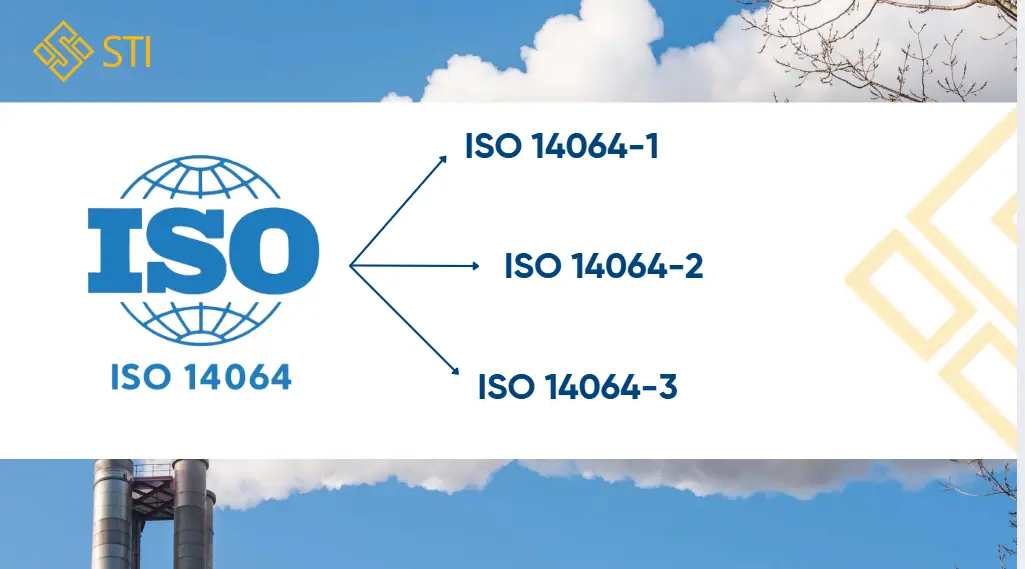
ISO 14064 is divided into three main parts:
- ISO 14064-1: Sets out the principles and requirements for the design, development, and management of greenhouse gas emissions at the organizational level. Businesses apply this part to quantify and report greenhouse gas emissions and their removal activities.
- ISO 14064-2: Sets out principles, requirements and provides guidance at the project level for quantifying, monitoring and reporting activities aimed at reducing emissions or enhancing the removal of greenhouse gases. It includes requirements for greenhouse gas project planning, identification and selection of sources, reservoirs and storage facilities for greenhouse gases relevant to the project and base scenario, monitoring, quantifying, documenting and reporting of greenhouse gas project implementation and data quality management.
- ISO 14064-3: Sets out the principles, requirements and provides guidance for those who conduct or manage the validation or verification of claims on greenhouse gases. It can be applied to the quantification of greenhouse gas organizations or projects, including the quantification, monitoring and reporting of greenhouse gases carried out in accordance with ISO 14064-1:2018 or ISO 14064-2:2018.
Implementing ISO 14064 provides businesses with a scientific basis for accurately assessing emission levels, thereby enabling them to develop mitigation plans and demonstrate their commitment to the community.
Why is ISO 14064 important?
The importance of ISO 14064 stems from several factors, including policy, market, and sustainable development strategies.
First, at the national level, Vietnam has joined the Paris Agreement and committed at COP26 to achieving net emissions of zero by 2050. This means that every industry and every business must have solutions to reduce emissions. ISO 14064 has become a standardization tool, helping businesses meet legal policies as well as government guidelines.

From a market perspective, more and more multinational corporations are requiring suppliers to report emissions transparently. If Vietnamese businesses do not promptly adopt ISO 14064, the risk of being excluded from the supply chain is very high. This standard is not only a “passport” but also a way to affirm credibility in the international market.
Furthermore, measuring and managing emissions helps businesses identify opportunities for energy savings, technological improvements, and operational optimization. This not only benefits the environment but also directly reduces costs and increases profits.
Finally, in the global trend towards carbon markets, businesses can participate in carbon credit trading if they have transparent data verified according to ISO 14064 standards. This represents a new source of economic benefit, opening up avenues for long-term sustainable development.
Which businesses need to conduct greenhouse gas inventories?
Essentially, the ISO 14064 International Standard is voluntary. There are no provisions in the standard that compel organizations to implement or establish a Greenhouse Gas Verification and Calculation Management System. However, in practice, some businesses may consider adopting this standard.

In Vietnam, on January 18, 2022, the Prime Minister issued Decision No. 01/2022/QD-TTg on the List of sectors and facilities emitting greenhouse gases that must conduct greenhouse gas inventories. Accordingly, more than 1000 businesses falling under the scope of this Decision are required to conduct greenhouse gas inventories. These businesses belong to six sectors: Energy; Transportation; Construction; Industrial processes; Agriculture, forestry and land use; and Waste.
| Field | Branch |
| Domestic and commercial energy production |
|
| Transportation |
|
| Industrial production |
|
| Agriculture, forestry and land use |
|
| Build |
|
| Waste |
|
In addition to the entities required to conduct greenhouse gas inventories as mentioned above, some businesses may also be required to implement ISO 14064:2018 due to requirements from customers/partners.
Additionally, organizations may voluntarily adopt the ISO 14064 standard because they recognize that greenhouse gas inventories are important to their business operations.
Benefits of implementing ISO 14064
Implementing ISO 14064 brings many practical benefits to businesses, not only in internal operations but also in long-term strategy. Specifically:
- Control and reduce emissions scientifically.
Businesses have a clear data system on the amount of greenhouse gases generated from each activity. This makes it easier to develop effective emission reduction plans, while also saving energy and raw materials. - Cost savings, optimized operations.
Emission source analysis helps businesses identify inefficiencies in their processes. By improving technology or optimizing processes, businesses can not only reduce emissions but also significantly cut operating costs. - Enhance brand reputation and image.
A company that is transparent in its emissions reporting will build trust with customers, partners, and investors. This also demonstrates social responsibility, helping the brand to be highly regarded in the eyes of the community. - Opportunities to participate in the carbon market.
ISO 14064 provides a basis for businesses to have their emission reductions verified, thereby enabling them to participate in carbon credit trading. This presents a new business opportunity, opening up additional revenue streams and affirming a pioneering position. - Comply with international laws and requirements.
With increasingly stringent legal regulations, businesses that adopt ISO 14064 will proactively meet requirements and avoid the risk of penalties. At the same time, it is also a mandatory requirement to participate in global supply chains with demanding markets such as the EU, the US, and Japan.
Conclude
ISO 14064 is not only an international standard for greenhouse gas emission management, but also a strategic tool to help Vietnamese businesses integrate, develop sustainably, and compete globally. Choosing ISO 14064 consulting and training services will help organizations implement effectively, save time, and ensure the accuracy of reports.
Sign up for consultation now
Leave your information to get free consultation about ISO 9001
ISO 14067: Quantitative measurement and assessment of CO₂ emissions throughout the product lifecycle.
Climate change resulting from human activities is identified as one of the world’s greatest challenges and will continue to affect businesses and people for decades to come. To meet the demands of environmental transparency and sustainable development, measuring the carbon footprint (CFP) of products becomes a necessary step. ISO 14067 is an international standard that guides how to quantify and report CO₂ emissions throughout the product lifecycle—from raw material extraction to end-of-life processing. ISO 14067 consulting services help businesses identify emission sources, optimize processes, and enhance their market reputation.
What is ISO 14067?
ISO 14067 is fully titled “Greenhouse gases—Carbon footprint of products—Requirements and guidelines for quantification”. The official version was published in 2018. In Vietnam, the equivalent is TCVN ISO 14067:2020, published by the Ministry of Science and Technology.
ISO 14067
This standard specifies the principles, requirements, and guidelines for quantifying the carbon footprint of a product (CFP) and the partial carbon footprint (partial CFP). The goal is to provide a standardized method for calculating GHG (greenhouse gas) emissions, focusing primarily on CO₂ and converting other gases to CO₂eq, throughout the entire product lifecycle: raw material extraction → processing/manufacturing → distribution → use → end of lifecycle (recycling, disposal).
ISO 14067 is closely linked to other LCA standards such as ISO 14040 and ISO 14044, which describe the product life cycle assessment process. While ISO 14040/44 is a general standard framework for LCA, ISO 14067 focuses specifically on quantifying the carbon footprint.
Why is ISO 14067 important?
With climate change becoming the greatest challenge of the 21st century, businesses, governments, and international organizations need a unified, reliable framework for assessing and managing greenhouse gas emissions. Therefore, ISO 14067 is not merely a technical standard but also a strategic foundation for sustainable development and a low-carbon economy.

Here are some reasons that clearly demonstrate the importance of ISO 14067:
- Tools for responding to climate change
ISO 14067 helps translate scientific knowledge about climate into practical methods for quantifying emissions. Measuring greenhouse gas emissions throughout the product lifecycle (from raw materials, production, transportation, use to end-of-life disposal) forms the basis for developing emission reduction strategies and supporting the implementation of Net Zero commitments at the national and enterprise levels. - Ensuring transparency and reliability
This standard enhances consistency and transparency in CFP reporting, helping organizations avoid “burden-shifting” emissions from one stage to another. As a result, quantifiable, verifiable, and widely accepted quantitative results are achieved in ESG reporting, trade deals, and green public procurement. - The foundation for effective greenhouse gas (GHG) management.
ISO 14067 helps businesses identify emission “hot spots” in the value chain, thereby prioritizing technological improvements, material changes, product design, or logistics optimization. This forms the basis for building a systematic emissions management strategy, monitoring emission reduction performance, and integrating carbon targets into risk management and business strategy. - Scientific methodology and international standardization
Developed based on ISO 14040 and ISO 14044 on lifecycle assessment (LCA), ISO 14067 provides detailed, systematic, and repeatable guidance on calculating CFP and partial CFP. This standardization ensures globally valid reports, reduces methodological inconsistencies, and facilitates comparability across different industries, markets, and regions. - Promoting sustainable decisions and strategies.
Information from CFP helps businesses, policymakers, and consumers make more informed choices. Businesses can use CFP as an indicator of emission reduction progress; governments can use it to design carbon tax policies and emission labeling regulations; and consumers have a more transparent basis for choosing environmentally friendly products. - Contributing to the circular economy and product innovation.
CFP analysis helps businesses identify opportunities for design improvements, extending product lifecycles, utilizing recycled materials, and minimizing waste. This is a crucial step in transitioning to a circular economy model and meeting global market demands for sustainable development.
Which businesses are suitable for ISO 14067?
With the increasing emphasis on sustainable development, assessing carbon footprints has become essential for many types of businesses.
- Manufacturing businesses, especially those in high-emission industries such as textiles, food, plastics, chemicals, electronics, and building materials.
- Businesses export to markets that require transparency regarding greenhouse gas emissions (EU, US, Japan, etc.).
- Brands, corporations, and retailers are moving towards sustainable development and green supply chain management.
Benefits of implementing ISO 14067
Against the backdrop of the world actively holding press conferences between nations to reduce greenhouse gas emissions.
- Meeting international market requirements: Businesses exporting to the EU, the US, Japan, etc., increasingly need to demonstrate transparency regarding CO₂ emissions. ISO 14067 is a “carbon passport” that helps your products easily overcome trade barriers.
- Enhancing reputation and green brand
Publicly disclosing carbon footprint according to international standards builds trust with customers, partners, and investors. This is also a major plus in ESG reporting and sustainability communication strategies. - Optimize costs and improve processes.
By identifying emission “hot spots,” businesses have a basis for saving energy, reducing wasted materials, improving technology, and optimizing logistics. This offers a double benefit: both carbon reduction and lower operating costs. - Be proactive in responding to carbon tax policies and regulations.
Mechanisms such as carbon taxes or carbon border adjustment mechanisms (CBAMThis will directly impact product costs. Businesses that adopt ISO 14067 early will proactively calculate and minimize financial risks. - Supporting innovation and development of green products.
Data from CFP helps businesses redesign products in a sustainable way: extending lifespan, increasing recycling rates, or using eco-friendly materials. This is a stepping stone to participating in the circular economy and expanding markets.
Conclude
ISO 14067 is not just a dry set of standards. It is the foundation for businesses to build a comprehensive carbon strategy, from transparent reporting and risk management to product innovation and enhancing international competitiveness.In a world moving towards Net Zero and sustainable development, businesses that adopt ISO 14067 early will be proactive in internal improvement and expand opportunities in the global market. Conversely, lagging behind significantly increases the risk of being excluded from international supply chains or facing high carbon costs.
Sign up for consultation now
Leave your information to get free consultation about ISO 9001
ISO 14068: Carbon neutrality system for businesses
In the context of climate change’s increasingly profound impact on the economy, society, and environment, managing greenhouse gas emissions is no longer just a social responsibility but has become a mandatory requirement for survival and development. ISO 14068 – the Carbon Neutrality Standard – was created to provide businesses and organizations with an international framework for quantifying, reducing, offsetting emissions, and making transparent and reliable carbon neutrality claims.
What is ISO 14068?
ISO 14068 is an International Standard with the official title: “Greenhouse gas management and climate change management and related activities — Carbon neutrality”Greenhouse gas management and climate change management and related activities — Carbon neutralityThe official version of this standard was published in March 2023, marking a significant step in standardizing emission reduction efforts and achieving carbon neutrality globally. This standard was developed and published by the International Organization for Standardization (ISO), based on the consensus of experts from many countries.
This standard serves as a framework guiding organizations and businesses in building carbon neutrality systems based on international principles, helping them to accurately and transparently quantify, reduce, and offset greenhouse gas emissions. Through this, organizations can demonstrate their commitment to the environment clearly and reliably.
The ISO 14068 standard not only specifies technical processes but also emphasizes core principles such as feasibility, transparency, and social responsibility in greenhouse gas management. This process includes determining the carbon footprint, reducing emissions, and offsetting the remaining emissions with purchased carbon credits. The term “carbon neutrality” has been expanded to encompass all greenhouse gases, ensuring diverse applicability across various sectors.
Why is ISO 14068 important?
In the context of the global impact of climate change, understanding and implementing the ISO 14068 standard is extremely urgent. It not only serves as a framework to guide organizations in reducing greenhouse gas emissions, but also encourages them to enhance their social responsibility and distinctiveness within the global business community. Transparency and reliability are considered crucial factors in building trust with customers, partners, and international organizations.

Furthermore, ISO 14068 is also a means of promoting sustainable development by establishing a standardized greenhouse gas management model. Adopting this standard helps businesses take clear steps towards carbon neutrality and meet the climate policy requirements of many countries. This provides a competitive advantage for sustainable development and contributes to international commitments such as the Paris Agreement and the United Nations Sustainable Development Goals.
From a strategic perspective, the ISO 14068 standard provides tools to help businesses better control climate risks, minimize negative environmental impacts, and enhance their adaptability to new global market conditions. Therefore, having a system compliant with this standard is an ideal stepping stone for organizations to keep up with global trends and contribute to building a greener world.
Which businesses are suitable for ISO 14068?
The ISO 14068 standard is aimed at any organization or business that wants to demonstrate a clear commitment to carbon neutrality, regardless of size, industry, or sector. Multinational joint ventures, small and medium-sized enterprises, government organizations, or financial institutions can all apply this standard to be transparent in their greenhouse gas reduction statements.
Therefore, any organization wishing to enhance its social responsibility or participate in voluntary sustainable development initiatives needs to comply with the requirements of ISO 14068, particularly in establishing carbon neutrality tracking, reporting, and certification systems. This specifically includes products such as goods, services, buildings, events, or specific activities where verifying and publicly disclosing emissions reduction efforts is also crucial.
Notably, this standard also helps suppliers and businesses develop clear sustainability strategies, build brand trust, and expand markets in a context where more and more customers demand environmentally responsible products. Businesses can use ISO 14068 as a tool to demonstrate their commitment, thereby creating a distinct competitive advantage in the global marketplace.
Benefits of implementing ISO 14068
Integrating ISO 14068 into a management strategy offers numerous significant benefits in terms of strategy, operations, and brand building. Firstly, the standard helps organizations clearly identify opportunities to reduce greenhouse gas emissions, thereby optimizing internal operations such as energy savings, the use of clean resources, and the reduction of greenhouse gas emissions.

Furthermore, this standard provides a foundation for long-term strategic planning in offsetting and mitigating greenhouse gas emissions, enabling businesses to track progress and effectively manage climate-related risks. Simultaneously, its application helps raise awareness of climate risk management, contributing to sustainable development and flexible adaptation to global changes.
From a branding and customer perspective, ISO 14068 also helps businesses build credibility through clear carbon neutrality statements, creating trust with partners, investors, and end customers. Clearly demonstrating a commitment to environmental responsibility also makes it easier for businesses to participate in and benefit from carbon credit market programs and sustainable development initiatives, thereby promoting business performance in a sustainable and long-term manner.
Conclude
In the context of increasing global awareness of the impacts of climate change, applying ISO 14068 to build a carbon neutrality system is a strategic and necessary step for businesses aiming for sustainable development. This standard helps organizations quantify, reduce, and offset greenhouse gas emissions transparently and reliably, while enhancing their reputation and increasing competitiveness in the global market. Therefore, organizations should consider standardization according to this standard as an integral part of their sustainable development strategy.
Sign up for consultation now
Leave your information to get free consultation about ISO 9001
ISO 14001: Environmental Management System
In the context of increasingly serious environmental pollution, climate change, and plastic waste, many businesses in Vietnam face pressure to comply with the law and adapt to green consumption trends. ISO 14001 – an international standard for environmental management systems – has become a solution to help businesses control their environmental impact, optimize operating costs, and meet customer expectations. As a result, businesses not only enhance their brand reputation but also expand export opportunities to demanding markets.
What is ISO 14001?
ISO 14001 is an international standard for Environmental Management Systems (EMS) issued by the International Organization for Standardization (ISO) to set requirements for environmental management systems in businesses. The current version is ISO 14001:2015, which is widely applied globally. Unlike legal regulations that specify emission levels, ISO 14001 does not prescribe rigid numbers but focuses on building a comprehensive management system. Businesses must identify environmental impacts during production, set improvement goals, develop action plans, and maintain continuous improvement.
Why is ISO 14001 important?
In the global context, large corporations are increasingly focusing on sustainability. Apple has committed to a carbon-neutral supply chain by 2030, and IKEA is gradually phasing out single-use plastics to move towards a circular economy model. These goals entail stringent requirements for suppliers, including Vietnamese businesses. Without ISO 14001 certification, they find it very difficult to participate in international supply chains.
From a domestic legal perspective, the Vietnamese government is also increasingly tightening regulations on environmental protection. According to Decree 08/2022/ND-CP, many industries with a high risk of pollution are required to implement environmental management systems according to TCVN ISO 14001. Failure to implement can lead to serious consequences: penalties, suspension of operations, and even loss of opportunities for investment expansion.

The impact of ISO 14001 on businesses and consumer awareness
Furthermore, market and consumer pressure is also creating challenges. Today’s buyers are more concerned about green, clean, and sustainable factors. An ISO 14001-certified product not only meets consumer needs but also contributes to a long-term competitive advantage for the business.
Which businesses are suitable for ISO 14001?
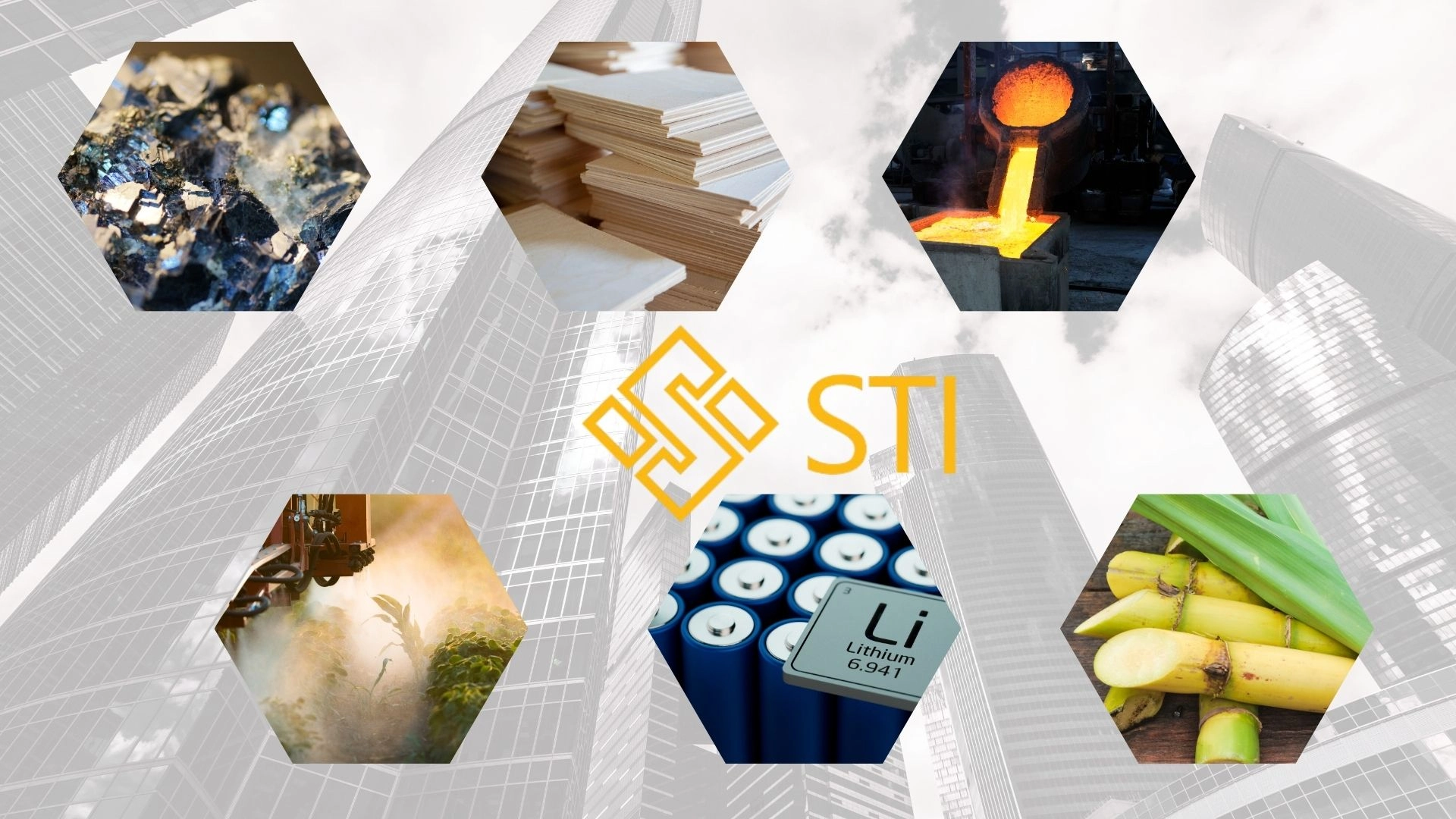
A key feature of ISO 14001 is its flexibility. It can be applied to any type of organization, from a large-scale manufacturing plant to a small or medium-sized enterprise. However, in practice, there are certain industries where implementation is mandatory. According to Decree 40/2019/ND-CP, the main groups include:
- Extraction and processing of hazardous minerals.
- Manufacture of paper, pulp, and fiberboard (MDF, HDF)
- Metallurgy, petrochemical refining, coal-fired power plants.
- Fabric dyeing, washing and polishing, leather tanning.
- Manufacture of chemicals, fertilizers, and pesticides.
- Waste treatment and recycling, battery manufacturing.
- Processing of seafood, sugarcane, cassava starch, and industrial alcohol.
- Manufacture of electrical and electronic components.
Some industries required to implement ISO 14001
However, it’s not just the mandatory industries that need attention. Export-oriented businesses, those wishing to participate in international tenders, or those aiming to build a green brand should also adopt it early. A garment company wanting to introduce its products to the European market, a startup agricultural company with ambitions to export to Japan, or an electronics factory participating in the global supply chain will all benefit from adopting ISO 14001.
Benefits of implementing ISO 14001
- Comply with the law
ISO 14001 helps businesses maintain records, processes, and reports in accordance with environmental regulations, thereby reducing the risk of penalties or suspension of operations. This acts as a “legal shield” allowing businesses to produce with peace of mind. - Cost savings
Environmental management systems encourage resource optimization and emission reduction, thereby lowering operating costs. In fact, many factories in Vietnam have saved 10–15% of water and energy by implementing ISO 14001. - Enhance brand reputation
ISO 14001 certification demonstrates a commitment to sustainable development, helping businesses be recognized as “green businesses.” This is a significant competitive advantage, especially in demanding export markets such as the EU or the US. - Internal improvement
Employees receive training and their awareness of environmental protection is raised, thereby fostering a corporate culture linked to social responsibility. This not only increases productivity but also creates long-term commitment within the organization. - Attracting investment and cooperation
International investment funds and corporations often prioritize partners with sustainability certifications. Businesses that implement ISO 14001 have easier access to capital, can participate in tenders, and collaborate in global supply chains.
ISO 14001 is not just a set of technical standards, but a guiding principle for sustainable development. With this certification, businesses not only avoid legal risks but also save costs, enhance reputation, and expand their markets. In an era where the environment is a key criterion, ISO 14001 is a green passport that helps Vietnamese businesses integrate and develop sustainably.
Sign up for consultation now
Leave your information to get free consultation about ISO 9001