



Greenhouse Gas Inventory – Meeting Emission Reductions Requirements and Reporting
Greenhouse gas inventories are becoming increasingly important in the context of the global climate change challenges. For sustainable development, conducting greenhouse gas inventories is an indispensable activity for businesses that want to contribute to emissions reduction efforts while complying with increasingly stringent legal regulations.
What is greenhouse gas inventory?
Greenhouse gas inventory is the process of collecting, analyzing and synthesizing data related to the amount of greenhouse gases (GHG) emitted by the activities of an organization or business over a certain period of time. Greenhouse gases include:

Types of greenhouse gases
-
Carbon dioxide (CO2): Emitted primarily through fossil fuel combustion, land-use changes, and industrial processes.
-
Methane (CH4): Commonly originates from livestock, agricultural activities, and oil and gas extraction processes.
-
Nitrous oxide (N2O): Associated with fertilizer application and agricultural management.
-
Hydrofluorocarbons (HFCs) and Perfluorocarbons (PFCs): Widely used in industrial applications and refrigeration/cooling systems.
-
Sulfur hexafluoride (SF6) and Nitrogen trifluoride (NF3): Utilized in specialized industrial sectors, such as electronics and electrical transmission.
Greenhouse gas inventory aims to clearly identify the main emission sources such as CO2, CH4, N2O, fluorocarbons, and other substances that have the potential to cause the greenhouse effect. This activity is carried out at the project, business, organization or national level. The main purpose of greenhouse gas inventory is not simply measurement, but also includes analyzing factors affecting the amount of emissions generated, thereby helping businesses identify activities that can be optimized or reduced, contributing to reducing emissions.
When do businesses need to inventory greenhouse gases?
Currently, many countries have issued regulations requiring enterprises to conduct periodic greenhouse gas inventories according to certain standards. In Vietnam, to conduct greenhouse gas inventories, enterprises need to comply with legal regulations such as the Law on Environmental Protection 2020, Decree 06/2022/ND-CP and Decision 13/2024/QD-TTg. These documents provide a clear legal framework for conducting greenhouse gas inventories, ensuring legality and accuracy in reporting. According to regulations, from January 1, 2022, the implementation of greenhouse gas inventories, the construction and maintenance of a greenhouse gas emission database system must send periodic inspection results every 2 years and prepare a report on greenhouse gas emissions levels to the Ministry of Natural Resources and Environment, ministries, ministerial-level agencies; and relevant provincial People’s Committees before December 31 of each reporting period. In addition, in some special cases such as when an enterprise has an expansion project, changes production activities or participates in international environmental certification programs, the work inventory regulations will require businesses to conduct greenhouse gas inventories periodically, possibly more than once a year, for the purpose of demonstrating or reporting on the status. This helps businesses proactively update data, preparing for the next steps in their sustainable development strategy.
Why is greenhouse gas inventory important?
In the context of the world moving towards a low-emission economy, greenhouse gas inventory is not only a legal obligation but also a competitive advantage for businesses. The global trend of reducing greenhouse gas emissions is promoted by international commitments and environmental certification standards such as ISO 14064 or GHG Protocol. Businesses, especially in the fields of industry, energy, transportation and construction, must have a strategic view on greenhouse gas inventory to meet the requirements of the international market, expand cooperation opportunities, participate in green projects and receive financial support from international organizations. From there, greenhouse gas inventory becomes a tool to help businesses not only report successful emission reductions but also improve access to green investment capital, manage risks and enhance brand reputation.
Which businesses need to inventory greenhouse gases?
Businesses with emissions of 3,000 tonnes of CO2 equivalent per year or more are often recommended or required to conduct greenhouse gas inventories to ensure regulatory compliance and sustainable development. Specifically, businesses operating in 6 areas:
- Heavy industry such as steel, cement, chemical and electronics production, which generate large amounts of emissions during production and machinery operations. These businesses are characterized by high energy consumption activities, with little ability to reduce emissions in the short term without regular inventory.
- Energy sector: Power plants, especially those using fossil fuels such as coal, oil, and gas. Greenhouse gas inventories help determine the amount of emissions from power generation activities and develop appropriate mitigation strategies, switching to renewable energy.
- Transport industry: Transporting goods and passengers by large vehicles or multiple private vehicles can cause significant emissions. Managing and accounting for emissions helps to optimize operations and minimize environmental impacts.
 6 enterspries required to conduct greenhouse gas inventories
- Construction and real estate industry: Urban development projects, high-rise buildings, and construction infrastructure projects all need to monitor emissions during construction and operation to demonstrate community responsibility.
- Agriculture and food processing sector: Large-scale agricultural activities, livestock and processing, also contribute significantly to overall emissions. Therefore, businesses in this sector should also conduct greenhouse gas inventories to be transparent about their environmental impacts.
- Waste management sector: Waste treatment plants, biogas plants or waste sorting and recycling systems that aim to reduce emissions from waste treatment activities all need to conduct gas inventories.
Benefits of businesses conducting greenhouse gas inventories
Perform greenhouse gas inventory offers many benefits that go beyond meeting legal requirements:

- Basis for developing emission reduction and operational optimization strategies: Businesses have accurate data to build appropriate emission reduction strategies; thereby optimizing production, helping to save energy and material costs.
- Enhance reputation and competitiveness: Increase credibility with partners, customers and the community, expand markets and increase global competitiveness.
- Financial opportunities and international certification: Easily gain the trust of international certification organizations, opening up opportunities to participate in green projects and receive financial support from international organizations/sustainable development funding programs.
- Proactively manage risk and legal compliance: Businesses are proactive in dealing with legal risks, avoiding penalties or reputational damage due to non-compliance with environmental protection regulations.
- Building long-term strategies and managing climate risks: Create conditions for businesses to build strategies for sustainable development, improve their ability to manage risks related to climate change and aim to reduce global emissions.
Conclusion
Greenhouse gas inventory is not just a simple activity of measuring emissions, but also a foundation for businesses to demonstrate responsibility to the environment, comply with legal regulations and enhance competitive reputation. Businesses operating in fields with large environmental impacts need to have a clear awareness of the outstanding benefits that the inventory process brings, from reducing operating costs, expanding markets to contributing to global efforts to limit climate change. Let’s start the journey of greenhouse gas inventory towards sustainable development and long-term success.
Sign up for consultation now
Leave your information to get free consultation about ISO 9001
CBAM – carbon border adjustment mechanism for enterprises exporting to the EU
With the objective of becoming a carbon-neutral continent by 2050, new policies on carbon adjustment and the promotion of sustainable development in the EU market are becoming increasingly stringent. However, the issue of “carbon leakage” has a significant impact on the EU’s and global climate neutrality objectives. CBAM is an essential mechanism to ensure fairness in international trade between producers within and outside the EU, while encouraging other countries to improve environmental standards.
What is CBAM?
CBAM (Carbon Border Adjustment Mechanism) is a carbon border adjustment mechanism issued by the European Union (EU). CBAM applies to goods imported into the EU based on the amount of greenhouse gas emissions generated during the production of those goods. CBAM is an important pillar of the EU’s Fit for 55 policy package. This package aims to support the EU in achieving a 55% reduction in greenhouse gas emissions by 2030 (compared to 1990 levels) and progressing toward carbon neutrality by 2050.
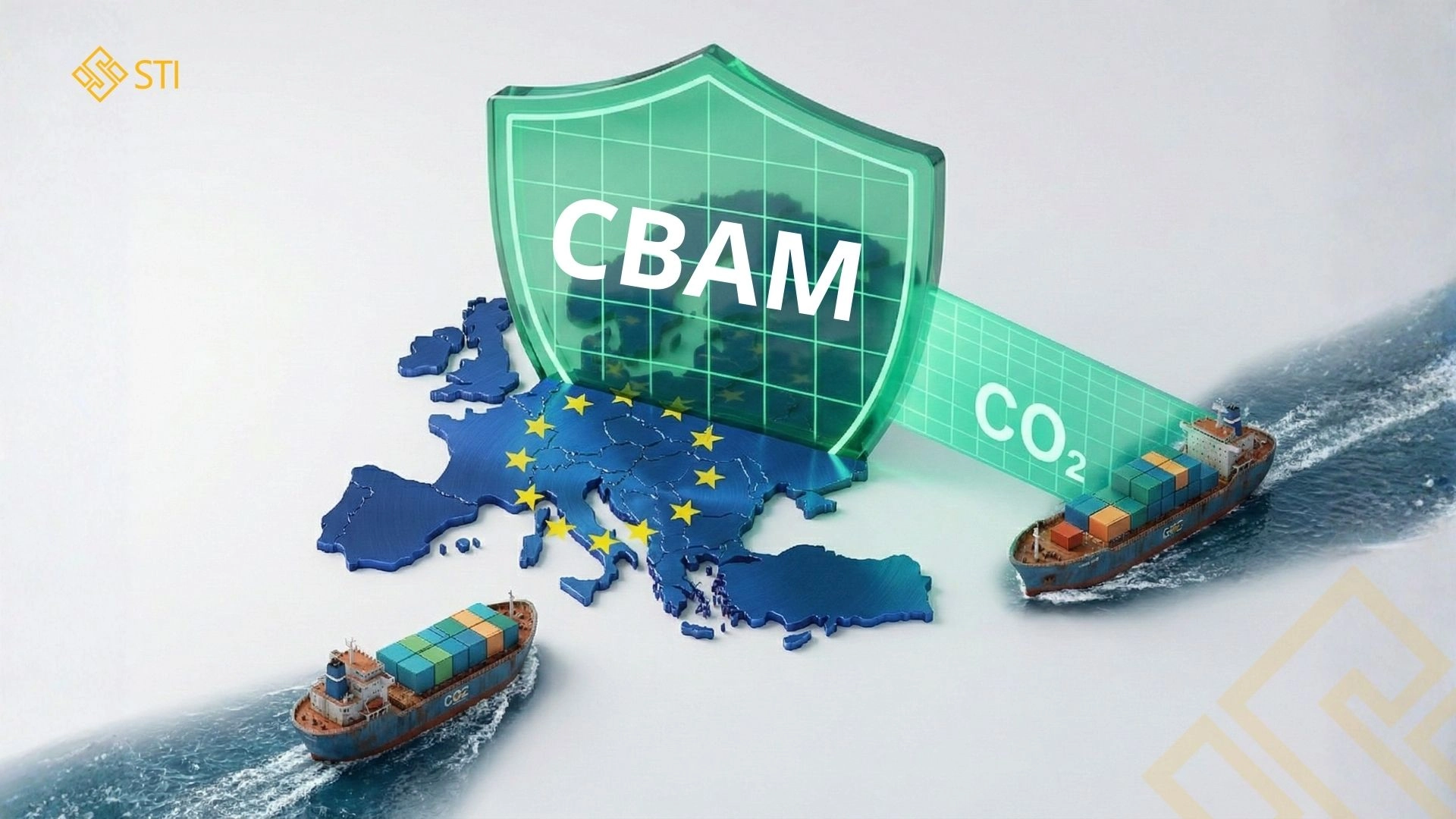
CBAM: Carbon border adjustment mechanism
What are the objectives of CBAM?
The primary objective of CBAM is to prevent the phenomenon of “carbon leakage”. This phenomenon occurs when enterprises relocate carbon-intensive production activities abroad to countries with climate policies less stringent than those of the EU, or when EU products are replaced by imports with higher carbon intensity. This phenomenon weakens the effectiveness of the EU’s emission reduction policies and leads to an increase in global emissions.
At the same time, CBAM aims to maintain the effectiveness of and protect the European Union Emissions Trading System (EU ETS). Producers within the EU are required to comply with the EU ETS and bear high carbon emission costs. Therefore, imported goods are required to bear an equivalent carbon cost to ensure fairness with EU enterprises that are already subject to strict emission regulations.

Scope of CBAM application in the initial phase
The CBAM policy is not limited to a narrow scope but extends to multiple goods and sectors, creating a comprehensive and coordinated adjustment framework to promote green, clean, and sustainable supply chains. The groups of enterprises within the CBAM scope include:
- Importing enterprises: entities bearing direct legal responsibility to the EU, namely importers (or indirect customs representatives) established in the EU.
- Exporting enterprises: enterprises exporting goods to the EU that fall within the CBAM scope, particularly small and medium-sized enterprises in third countries that bear indirect responsibility through the supply chain.
In the initial phase, six groups of goods with specific HS codes as required by the EU, which have high carbon emission intensity and a high risk of carbon leakage, are subject to CBAM, specifically:
- Iron and steel
- Cement
- Aluminium
- Fertilizers
- Electricity
- Hydrogen
Enterprises that are uncertain whether their HS codes fall under CBAM reporting requirements are advised to seek verification.
How does CBAM affect Vietnamese enterprises?
EU importing enterprises are required to declare emissions and pay CBAM costs based on those emission levels. Therefore, although Vietnamese enterprises do not directly pay CBAM fees, they are significantly affected through the following channels:
1. Requirements for product emission data from EU customers
Importers (EU customers) are the entities directly responsible for CBAM declarations and are required to obtain emission data for each product they import from Viet Nam (including direct and indirect emissions) in order to calculate costs. Consequently, increasingly stringent and detailed requirements are imposed by customers regarding transparency, calculation, monitoring, and accurate reporting of product carbon emission data in accordance with EU standards. Failure to provide data, or provision of inaccurate data, may cause EU customers difficulties in complying with CBAM. This represents the greatest challenge, as most Vietnamese enterprises currently lack systems for measuring and inventorying emissions at the product level.
2. Price adjustments and contract terms to offset CBAM costs
The cost of CBAM certificates represents an additional cost for EU importers. As a result, importing enterprises will renegotiate with Vietnamese suppliers to share this cost burden through the following measures:
- Negotiation of purchase prices: EU customers may request price reductions equivalent to the CBAM costs payable, in order to offset CBAM expenses.
- Changes to contract terms: inclusion of binding clauses regarding product carbon emission levels, requirements for “greener” certification, or prioritization of enterprises with lower carbon emissions in other countries. This may exert downward pressure on the selling prices of Vietnamese enterprises.
 Vietnamese businesses are significantly impacted by CBAM
Why should Vietnamese exporting enterprises pay attention now?
1. Risk of order loss and supplier substitution
The EU is increasingly tightening emission standards and requirements for carbon data transparency under CBAM. From 2026 onward, the EU will begin collecting CBAM charges, increasing import costs. EU supply chains will prioritize suppliers with lower carbon emissions, requiring enterprises to demonstrate the emission levels of imported goods. If enterprises fail to meet requirements in a timely manner, EU customers may shift orders to better-prepared suppliers, particularly from competing countries such as Thailand, Malaysia, and China. Once the market has selected new compliant suppliers, opportunities for Vietnamese enterprises to re-enter may be limited, as the EU prioritizes long-term stability and compliance.

Vietnamese SMEs face the risk of losing market share due to CBAM
2. Opportunities to upgrade “green” capacity and maintain access to the EU market through early preparation
Early preparation for CBAM is not only a matter of regulatory compliance but also a strategic step that creates opportunities to enhance competitiveness and align with global “greening” trends:
- Upgrading “green” capacity: emission measurement requires Vietnamese enterprises to review their entire production processes. This process helps identify points of energy inefficiency, thereby encouraging investment in high-efficiency technologies and renewable energy. This contributes to emission reduction and long-term operational cost reduction.
- Enhancing environmentally responsible brand image: compliance and demonstration of social responsibility support the development of a “green” image, facilitating market expansion and increasing brand value in the international community.
- Encouraging technological innovation: CBAM emission reduction requirements drive enterprises to invest in new technologies and innovative initiatives to optimize energy use, save materials, and improve product quality. This supports the development of cleaner products with improved competitiveness and contributes to long-term sustainable development.
- Establishing a “green” competitive advantage: prioritization by the EU in long-term contract awards and access to more favorable pricing due to products with a low carbon footprint.
- Maintaining and expanding the EU market: once international-standard carbon measurement and reporting systems are established, Vietnamese enterprises may become preferred suppliers. This not only strengthens their position in the EU but also facilitates expansion into other markets (such as the United States and Canada) that are moving toward similar mechanisms.

Green opportunities for Vietnamese businesses by preparing early for CBAM
Conclusion
CBAM plays a central role in the EU’s strategy to reduce greenhouse gas emissions and promote the transition toward a globally sustainable production model. This policy affects not only enterprises within the EU but also creates opportunities and challenges for international enterprises, particularly Vietnamese enterprises, in the context of increasing international integration. Recognizing opportunities and preparing effectively for CBAM will support enterprises in adapting and leveraging competitive advantages in an increasingly green global environment.
Sign up for consultation now
Leave your information to get free consultation about ISO 9001
Greenhouse gas emission reduction – Towards sustainable development
The world is facing major challenges related to climate change. Viet Nam’s commitment to achieving net-zero emissions by 2050 transforms these challenges into an imperative for action, particularly for sectors with high emission levels. Accordingly, greenhouse gas (GHG) emission reduction is no longer an optional “green” initiative, but has become a mandatory requirement. Developing a clear and scientifically grounded GHG emission reduction roadmap not only supports legal compliance, but also enables enterprises to optimize operations, improve performance, and progress steadily toward sustainable development.
What are greenhouse gases? What is greenhouse gas emission reduction?
1. Greenhouse gas
Greenhouse gases are gases present in the atmosphere, both natural and anthropogenic, such as CO₂, CH₄, N₂O, NF₃, etc., which absorb and emit thermal radiation, causing the Earth to warm.

-
Carbon dioxide (CO2): Emitted primarily through fossil fuel combustion, land-use changes, and industrial processes.
-
Methane (CH4): Commonly originates from livestock, agricultural activities, and oil and gas extraction processes.
-
Nitrous oxide (N2O): Associated with fertilizer application and agricultural management.
-
Hydrofluorocarbons (HFCs) and Perfluorocarbons (PFCs): Widely used in industrial applications and refrigeration/cooling systems.
-
Sulfur hexafluoride (SF6) and Nitrogen trifluoride (NF3): Utilized in specialized industrial sectors, such as electronics and electrical transmission.
2. Greenhouse gas emission
Greenhouse gas emissions refer to the release of these gases into the atmosphere, arising from activities such as fossil fuel combustion, manufacturing and industrial operations, extraction activities, or energy use such as electricity and heat consumption. Increased concentrations of greenhouse gases are the primary cause of global warming and climate change.
Greenhouse gas emission reduction focuses on the efficient use of resources and the implementation of measures and strategies to reduce the amount of greenhouse gases released into the atmosphere during production, consumption, and daily activities. This process not only reduces environmental pressure but also contributes to improved quality of life, moving toward a sustainable future for both the planet and humanity.
Importance of developing a greenhouse gas emission reduction strategy
Developing a greenhouse gas emission reduction strategy is no longer optional, but has become a mandatory requirement and a strategic opportunity for Vietnamese enterprises to develop. Enterprises that proactively comply with national regulations such as the Law on Environmental Protection and Decree No. 06/2022/ND-CP on GHG inventory can reduce regulatory intervention and prepare for increasingly stringent environmental policies in the future. Establishing an emission reduction roadmap represents strategic preparation to leverage opportunities from the domestic carbon market being developed under Decree No. 119/2025/ND-CP. Enterprises that achieve emission reductions more effectively than the benchmarks issued by the Ministry of Natural Resources and Environment may have surplus allowances available for trading on the carbon credit exchange, generating additional revenue and financing further emission reduction activities.
 GHG emission reduction – towards sustainable development and green productivity
Which enterprises need to develop a greenhouse gas emission reduction roadmap?
The development of a greenhouse gas emission reduction roadmap is increasingly becoming a mandatory requirement and a sustainable development trend for many enterprises. Specifically:
Enterprises subject to mandatory greenhouse gas inventory:
- Enterprises with annual greenhouse gas emissions of 3,000 tonnes of CO₂ equivalent or more, or with annual energy consumption of 1,000 tonnes of oil equivalent or more, operating in specific sectors such as energy, materials manufacturing, construction, transport, agriculture, etc.
Enterprises in high-emission sectors by industry: sectors with high emission shares and significant emission reduction potential, such as:
- Energy sector (transition to renewable energy).
- Heavy industry and manufacturing (steel, cement, chemicals, plastics, textiles, etc.).
- Transport (vehicle transition, logistics optimization).
- Agriculture and livestock farming (application of sustainable cultivation and husbandry models).
Enterprises required to meet “green” standards and international integration requirements:
- Enterprises with export products, particularly to markets with carbon pricing mechanisms (such as the CBAM mechanism) or subject to environmental, social, and governance (ESG) requirements from investors, partners, and customers.
Greenhouse gas emission reduction: benefits for sustainable business development
Developing a greenhouse gas emission reduction roadmap is a foundation for sustainable development and provides multiple benefits to enterprises:
 Benefits for sustainable business development
- Process optimization: Inventory and emission assessment activities help enterprises identify resource inefficiencies and heat losses, thereby optimizing production processes and improving overall efficiency.
- Enhanced reputation and brand value: “Green” production activities support the development of a positive organizational image, attract customers, and strengthen customer loyalty.
- Investment attraction and access to capital: Investors are increasingly focused on enterprises with commitments to environmental, social, and governance (ESG) factors. Emission reduction supports access to investment and green finance.
- Regulatory compliance: Emission reduction supports compliance with increasingly stringent environmental regulations, reduces future legal risks, and enables participation in the carbon credit market.
- Promotion of innovation and operational efficiency: Emission reduction activities encourage technological innovation, process improvement, and enhanced overall operational efficiency.
- Increased attractiveness for talent and retention: Many skilled workers seek employment with organizations demonstrating social and environmental responsibility. A sustainable development strategy can support talent attraction and retention.
- Creation of new market opportunities: Enterprises may develop new products, services, and business models based on sustainability foundations, thereby opening potential new market opportunities.
Conclusion
Implementing a greenhouse gas emission reduction strategy is a strategic task for Vietnamese enterprises, serving both as a mandatory legal requirement and as an opportunity to transform business models and achieve sustainable competitive advantage. Initiating the development of a GHG emission reduction roadmap at present represents effective preparation for a competitive, environmentally responsible, and sustainable future for enterprises.
Sign up for consultation now
Leave your information to get free consultation about ISO 9001
ESG reporting – optimizing corporate profile and meeting investor requirements
In a global context that increasingly emphasizes social responsibility, environmental protection, and corporate governance, enterprises no longer focus solely on profit but are also required to develop sustainable development strategies. ESG reporting has become an integral component of this process. By presenting activities and commitments related to environmental, social, and corporate responsibility aspects, organizations not only enhance credibility but also create opportunities for international cooperation and access to green and sustainable sources of capital.
What is ESG?
ESG refers to a set of three key non-financial criteria, including environmental, social and governance factors. The concept of ESG originates from the development of the concept of sustainable development, which was first introduced by the United Nations Brundtland Commission in 1987 to assess the level of sustainability and the responsibility of enterprises toward society and the planet. Specifically, the environmental factor focuses on how companies manage energy, waste, and greenhouse gas emissions; the social factor evaluates relationships with employees, customers, and communities (such as working conditions and equality); and the governance factor examines transparency, business ethics, and leadership structure.
 The core components of ESG Reporting
What is an ESG report?
An ESG report is an official document disclosed by an enterprise to publicly present its performance and commitments in relation to the three criteria above. This report is not only a tool to enhance transparency and risk management, but also plays an important role in attracting investment capital and building corporate reputation, as investors and stakeholders increasingly consider sustainability-related factors prior to decision-making.
Why must enterprises implement ESG reporting?
At present, enterprises and industries are under increasing pressure from communities, governments, and international organizations to enhance social responsibility and environmental protection. The global trend toward sustainable development continues to expand, supported by international frameworks such as FSC, RSPO, and other sustainable management standards. More importantly, investors increasingly emphasize ESG factors (environmental, social and governance) in investment decisions, viewing them as tools to mitigate non-financial risks and support sustainable returns.
 ESG Reporting: A catalyst for sustainable development
Enterprises need to prepare ESG reports to demonstrate accountability in response to these requirements. Such reports serve as essential internal tools to control and monitor enterprise performance related to environmental and social aspects. They require management to assess the impacts of business activities on ecosystems and communities, thereby identifying and managing potential operational, legal, and reputational risks. In the context of heightened awareness of climate change, unsustainable resource exploitation, and social issues such as labor rights, ESG reports provide a basis for enterprises to adjust strategies and actions in a responsible manner, ensuring that business operations do not generate negative impacts and are able to meet the increasingly stringent expectations of global stakeholders.
Which enterprises are required to prepare ESG reports?
The preparation of ESG reports is becoming a mandatory or necessary requirement for most enterprises in the modern business environment, focusing on three main groups:
1. Legally bound group:
- Listed/public companies: Required to disclose sustainable development information (including ESG factors) in annual reports in accordance with regulations of the State Securities Commission.
- High-emission enterprises: Facilities subject to mandatory greenhouse gas inventory and reporting requirements in accordance with government regulations.
2. Group under international market pressure:
- Export-oriented enterprises/global supply chains: Required to prepare ESG reports to meet stringent standards imposed by foreign markets and partners (e.g. the EU, the United States); failure to do so may result in trade barriers or exclusion from supply chains.
- Enterprises seeking green capital: Required to provide transparent ESG reports in accordance with international standards (GRI, SASB) to attract major ESG investment funds and preferential financing sources.
3. Voluntary group to create strategic advantage:
- Large and pioneering corporations: Voluntarily prepare reports to affirm positioning, manage risks, and enhance corporate image.
- Enterprises of all sizes: Proactively adopt ESG reporting to improve operational efficiency, reduce costs, and build long-term trust with customers and employees.
Benefits for enterprises when implementing ESG reporting
The preparation of ESG reports is not only a compliance activity but also a business strategy that provides multiple tangible benefits, supporting sustainability and long-term development:
 Key benefits of ESG Reporting for sustainable business
- Attracting sustainable investment capital:
Large investment funds and international financial institutions increasingly prioritize investment in companies with strong ESG performance. ESG reporting facilitates access to green capital and enhances the ability to attract responsible investors. - Reducing operational and reputational risks:
Reporting supports early identification of potential environmental risks (such as pollution and water scarcity) and social risks (such as labor disputes and ethical violations), enabling effective preventive measures. - Enhancing credibility and customer trust:
Transparency through ESG reporting contributes to trust among customers and partners, particularly as consumers increasingly favor socially responsible products and brands. - Optimizing costs and resource efficiency:
The ESG data collection process often leads to the identification of opportunities for energy savings, waste reduction, and optimized resource use, thereby reducing operating costs. - Improving access to global markets:
ESG reporting in accordance with international standards serves as a means for enterprises to meet foreign partner requirements and avoid emerging trade barriers (such as carbon taxes) in demanding markets. - Promoting innovation and improvement:
Compliance pressures related to environmental and social standards often require enterprises to develop more environmentally compatible products, processes, and business models with improved resource efficiency. - Strengthening corporate governance:
Reporting enhances transparency and accountability of executive management and boards of directors, establishing a solid governance foundation that supports legal compliance and business ethics.
Conclusion
ESG is not merely a temporary set of criteria, but a comprehensive strategic framework for measuring corporate sustainability and responsibility. ESG reporting represents an important step for enterprises to demonstrate social responsibility and move toward sustainable development, thereby strengthening credibility and creating competitive advantages in international markets.
Sign up for consultation now
Leave your information to get free consultation about ISO 9001
Building a carbon neutrality roadmap – from objectives to practical actions
In the context of increasingly serious climate change, carbon neutrality has become an important objective for many countries and enterprises worldwide. This is not only an inevitable trend but also a sustainable development approach that supports enterprises in optimizing costs, enhancing credibility, and accessing green investment capital. What is “carbon neutrality”, why is it necessary to develop such a roadmap, and how can objectives be translated into practical actions?
What is carbon neutrality?
Carbon neutrality (carbon neutrality) is understood as a state of balance between the amount of CO₂ emitted and the amount of CO₂ removed from the atmosphere through activities such as afforestation, the use of renewable energy, or the purchase of carbon credits. This concept emerged in 2006 and has rapidly become a global reference point in green development strategies. However, to achieve this state, enterprises should not limit themselves to emissions “offsetting” only, but should prioritize substantive reductions at source.
 Carbon Neutral
The importance of building a carbon neutrality roadmap
The climate crisis, originating from the Industrial Revolution and driven by human carbon emissions, is threatening ecosystems, biodiversity, and planetary stability. According to the IPCC Report (2023), global greenhouse gas emissions need to be reduced by 43% by 2030 to limit temperature increase to below 1.5°C a target considered a safety threshold for the Earth.
 The importance of carbon neutral
Commitments to carbon neutrality not only contribute to global efforts to address climate change, but also generate clear social benefits. Emissions reduction helps improve air quality, reduce respiratory diseases, and enhance public health, particularly in urban areas where air pollution causes approximately 7 million deaths annually (according to the WHO).
Carbon neutrality therefore is not only an environmental objective, but an essential step towards a green, healthy, and sustainable future for all.
From commitment to action: solutions to operationalize carbon neutrality
To operationalize carbon neutrality objectives, enterprises may adopt four main approaches.
First, reducing greenhouse gas emissions by transitioning to renewable energy, improving energy efficiency, and optimizing production processes. Google is a representative example, having achieved carbon neutrality since 2007 and operating on 100% wind and solar energy. Air France has also set a target to reduce emissions by 30% by 2030 through fuel-efficient fleets and the use of sustainable aviation fuel.
Second, increasing carbon sequestration capacity through the conservation and expansion of natural sinks such as forests, soil, and oceans. According to the IPCC AR6 report, these sinks can store up to 56% of annual CO₂ emissions. TotalEnergies has invested USD 100 million in forest protection projects in the United States to increase carbon storage capacity.
 Google is a prime example, having achieved carbon neutrality since 2007
Third, applying carbon offset mechanisms through the purchase of credits from afforestation projects or CO₂ capture technologies such as DAC and BECCS. Microsoft is a pioneering enterprise that has committed to becoming “carbon negative” by 2030, meaning it removes more emissions than it generates.
Finally, enterprises may promote public–private partnerships to mobilize social resources for emissions reduction projects, such as the CP4D Fund model initiated by UNDP.
Which enterprises should apply a carbon neutrality roadmap?
A carbon neutrality roadmap is not only a global trend but also a determining factor for enterprises seeking to maintain competitive advantage in the green economy context. Based on legal requirements, emission intensity, and market pressure, four groups of enterprises should prioritize the implementation of such a roadmap:
- Group subject to domestic legal requirements – high-emission enterprises
These are facilities included in the list required to conduct greenhouse gas inventories under Decision No. 01/2022/QD-TTg of the Prime Minister.
They include sectors such as industry, energy, construction, transportation, and natural resources and environment — fields with high emission levels and close regulatory oversight. Delayed action may result in legal risks and increased compliance costs, particularly as Viet Nam is advancing carbon pricing mechanisms. - Group subject to international compliance pressure – exporting enterprises
Enterprises manufacturing and exporting to the EU, particularly in sectors such as steel, cement, aluminum, fertilizers, electricity, and hydrogen, are directly affected by the Carbon Border Adjustment Mechanism (CBAM). Without a clear emissions reduction plan, goods may be subject to high carbon taxes and lose competitiveness in international markets. - Group participating in global supply chains – Scope 3 emissions reduction
Many Vietnamese enterprises are suppliers to multinational corporations that have committed to carbon neutrality, such as Apple, Nike, and Samsung. Accordingly, they must comply with requirements to reduce Scope 3 emissions (indirect emissions within the supply chain). In particular, the textile, electronics, and component manufacturing sectors must demonstrate emissions reduction efforts to maintain contracts and brand positioning in global supply chains. - Group oriented toward green capital and ESG – listed companies
Enterprises listed on stock exchanges, or projects seeking capital through green bonds and responsible investment funds (PRI), need to develop a carbon neutrality roadmap to improve ESG performance. This not only facilitates access to preferential investment capital, but also strengthens shareholder and consumer confidence in sustainable development commitments.
 Enterprises should build carbon neutrality roadmap
Benefits of applying a carbon neutrality roadmap
Developing a carbon neutrality roadmap is not only an environmental responsibility but also a strategic decision for enterprises in the evolving green economy. A structured roadmap helps enterprises reduce risks, optimize costs, and create sustainable competitive advantages from direct impacts on ecosystems to brand value, investment capital, and internal engagement. The specific benefits include:
- Reducing environmental impacts: cutting greenhouse gas emissions, conserving forests and carbon sinks, contributing to slowing global warming and reducing disaster risks.
- Improving public health: reducing air pollution, leading to fewer respiratory and cardiovascular diseases and lower healthcare costs.
- Saving operational costs: optimizing energy use, reducing material consumption, and lowering long-term costs through operational efficiency.
- Reducing legal and supply chain risks: early compliance with carbon regulations (e.g. carbon taxes, CBAM) and international partner requirements.
- Accessing green capital and financial incentives: facilitating capital mobilization through green bonds, preferential loans, and ESG-oriented investors.
- Enhancing brand credibility and competitive position: green or carbon neutrality certification increases trust among customers and partners and supports market expansion.
- Stimulating innovation and opening new markets: encouraging the development of environmentally friendly products and services and sustainable solutions.
- Strengthening workforce and community engagement: increasing employee motivation, improving organizational culture, and demonstrating social responsibility.
Conclusion
Building a carbon neutrality roadmap is not only an environmental responsibility but also a strategic step that enables enterprises to reduce risks, optimize costs, and enhance credibility in the market. By starting with emissions inventory, setting clear objectives, implementing source-based reduction measures, and offsetting only the remaining emissions through verified projects, enterprises can both contribute to climate change mitigation and create opportunities to access green capital and strengthen competitiveness.
Sign up for consultation now
Leave your information to get free consultation about ISO 9001
Calculation of product carbon footprint (PCF) – a key to supply chain transparency
In the context where the green economy and carbon neutrality are becoming global trends, the measurement of the product carbon footprint (Product Carbon Footprint – PCF) is playing an increasingly important role for enterprises. Beyond being a tool to quantify greenhouse gas emissions throughout the product life cycle, PCF also serves as a basis for organizations to improve operational efficiency, meet international environmental standards, and demonstrate commitments to sustainable development within global supply chains.
What is product carbon footprint?
Product carbon footprint (PCF) is a quantitative measure of the total amount of direct and indirect greenhouse gas (GHG) emissions generated throughout the entire life cycle of a product. Unlike other environmental measurements, it focuses on global warming potential (Global Warming Potential – GWP) and is used to measure, manage, and communicate GHG emissions associated with goods and services.
The scope of PCF extends from initial raw material extraction, through transportation, production, distribution, and use, to end-of-life treatment. The commonly used unit of measurement is kilograms or tonnes of carbon dioxide equivalent (kg CO₂e or tCO₂e) per functional unit of the product.
ISO 14067 is the most widely recognized international reference standard for conducting PCF. This standard is developed based on the broader life cycle assessment (Life Cycle Assessment – LCA) standards ISO 14040 and ISO 14044, and provides a general framework for calculation.
Importance of calculating product carbon footprint
According to the World Meteorological Organization (WMO), atmospheric CO₂ concentration in 2024 reached 425 parts per million (ppm), the highest level since measurements began. The global average temperature has increased by 1.45°C compared to the pre-industrial period, and production and consumption activities account for nearly 70% of these emissions.
Under increasing global pressure to reduce emissions, many countries have incorporated product carbon footprint into climate and trade policy frameworks. In Europe, the Carbon Border Adjustment Mechanism (CBAM) will officially take effect from 2026, requiring exporting enterprises to disclose CO₂ emissions generated during production. In Japan and the Republic of Korea, carbon labeling programs have become mandatory criteria in many consumer goods and industrial sectors.
Beyond compliance, PCF calculation also introduces a new approach to emissions management. According to McKinsey, more than 90% of an enterprise’s greenhouse gas emissions originate from its supply chain and products—areas that can only be accurately measured through PCF. As major corporations such as Unilever, Apple, and Toyota require suppliers to disclose emissions data, failure to keep pace with this trend entails the risk of exclusion from global value chains.
Accordingly, PCF not only has environmental significance but also reflects an enterprise’s competitiveness and adaptability in the low-carbon economy, where transparency and emissions responsibility are increasingly becoming a common reference framework in international markets.
Which enterprises should apply PCF calculation?
Product carbon footprint (PCF) provides benefits for all enterprises; however, it is particularly necessary for sectors with high emission levels or participation in international supply chains.
Manufacturing and processing enterprises such as steel, cement, chemicals, textiles, electronics, and automotive industries are groups with high emissions from materials and energy consumption (scope 1 and scope 2). Therefore, applying PCF helps them enhance emissions transparency and meet the requirements of global corporations.
For fast-moving consumer goods (FMCG) sectors such as food, beverages, cosmetics, and household goods, PCF supports the control of emissions from raw materials and packaging—factors that consumers increasingly consider when assessing product sustainability.
International exporting enterprises, particularly those supplying markets such as the EU, the United States, or Japan, require PCF to comply with carbon border regulations (such as the EU CBAM) and stringent environmental standards.
In addition, logistics and transportation sectors should apply PCF, as emissions mainly originate from operational fuel use; calculation supports cost optimization and reduction of legal risks.
Finally, energy and resource enterprises such as electricity generation, oil and gas, and mining need to determine carbon footprints per unit of product (e.g. kWh of electricity, liters of fuel) to support ESG disclosure and carbon credit trading.
What benefits does PCF calculation bring to enterprises?
The calculation of product carbon footprint not only enables enterprises to clearly understand greenhouse gas emissions at each stage of production, but also delivers multiple strategic values. It serves as a basis for evaluating environmental performance, optimizing operations, and building a sustainable corporate image in the perception of partners and consumers. The following are notable benefits that PCF calculation provides to enterprises:
- Create differentiation and enhance competitive advantage for the enterprise.
- Support business decision-making and social responsibility.
The quantification of product carbon footprint is not only the starting point for emission reduction strategies but also an essential tool enabling enterprises and individuals to proactively respond to climate change.
- Enhance individual awareness: enabling consumers to understand the environmental impacts of daily choices, thereby supporting more sustainable consumption decisions.
- Identify key emission sources: allowing enterprises to recognize stages with high greenhouse gas emissions throughout the product life cycle—from raw materials and production to distribution and post-consumption treatment.
- Establish a foundation for Net Zero targets: carbon footprint measurement is a prerequisite for developing effective and verifiable emission reduction pathways in accordance with international standards such as PAS 2050 or ISO 14067.
- Increase transparency in ESG reporting: providing quantitative data for sustainability reporting and strengthening credibility among investors and international partners.
- Improve operational efficiency: through optimization of production processes and more efficient energy use, contributing to long-term cost reduction.
Conclusion
The calculation of product carbon footprint is not merely a technical step within the sustainable management chain, but also a measure of an enterprise’s environmental responsibility. When emissions data are clearly quantified, enterprises can proactively improve processes, reduce risks, and enhance competitive advantages in a context where the green economy is becoming a global trend.
Sign up for consultation now
Leave your information to get free consultation about ISO 9001
PEFC SFM: sustainable forest management certification – a key enabler for global timber exports
PEFC SFM (Sustainable forest management) is the world’s largest sustainable forest management certification system and serves as independent evidence of legal and responsible timber origin. This text examines the role of PEFC SFM, its strategic importance in complying with the EU deforestation regulation (EUDR), and the entities required to apply it in order to expand export opportunities.
What is PEFC SFM?
PEFC is an international, non-governmental, non-profit organization established in Europe in 1999, with the objective of promoting sustainable forest management (SFM) through independent third-party certification. PEFC is currently the world’s largest forest certification system, managing more than 280 million hectares of certified forest area.
PEFC SFM certification (also referred to as PEFC-FM) is granted to forest owners and forest management organizations, confirming that forest management and harvesting activities are conducted in accordance with requirements for long-term ecological, social, and economic balance. The core standard applicable to this activity is PEFC ST 1003 (sustainable forest management).
The certification verifies that management and harvesting activities in a specific forest area are carried out responsibly, ensuring balance across the three pillars of sustainability:
- Environmental: Protection of biodiversity, maintenance of ecosystem health, and protection of water and soil resources.
- Social: Respect for the rights of workers, local communities, and indigenous peoples.
- Economic: Assurance of long-term economic viability and productivity of the forest without compromising the other two pillars.
Within the supply chain, PEFC SFM represents the first and most critical link in the entire PEFC supply chain. It provides the certified “input material” (timber or other forest-based products). Without SFM certification, PEFC-certified products cannot exist.
Importance of PEFC SFM
PEFC SFM certification is no longer optional and has increasingly become a mandatory requirement in international trade, particularly under the influence of new global regulations.
First, with regard to legal risk management, this certification provides robust evidence enabling enterprises to comply with the European Union deforestation regulation (EUDR). The use of timber from PEFC SFM-certified forests helps demonstrate legal origin and reduces the risk of export bans.
Second, in terms of market access, PEFC SFM is regarded as a “passport” for entry into high-value markets such as the EU, the United States, Japan, and Australia, where buyers require proof of sustainable sourcing.
Third, with respect to trust and corporate image, the PEFC label enables enterprises to demonstrate transparency, responsibility, and ethical business conduct—factors that are increasingly important in the context of green consumption trends.
Organizations for which PEFC SFM is applicable
PEFC sustainable forest management (PEFC-SFM) certification applies to all organizations, regardless of type, location, or size, provided that they are involved in forest management activities.
This certification affects two main groups:
- Mandatory application group (primary subjects)
These are organizations or individuals directly managing forest resources:
- Forest owners: Including individuals and households owning planted forests.
- Forest management organizations: Forestry companies and state-owned forest enterprises.
- Local communities: Community groups assigned to manage forest areas.
- Afforestation and plantation entities: Companies specializing in forest planting and harvesting.
- Affected group (required to consider)
This group comprises the entire downstream supply chain beyond the forest. Although these entities do not apply SFM certification themselves, their viability depends on it:
- Wood processing enterprises: Sawmills, drying facilities, plywood and particleboard manufacturers, and similar operations.
- Finished product manufacturers: Companies producing furniture, paper, packaging, and handicrafts.
- Trading and exporting entities: Trading companies and exporters.
Rationale:
Enterprises in group (b) wishing to apply the PEFC label to their products are required to obtain PEFC chain of custody (CoC) certification. However, PEFC CoC certification can only be granted if they demonstrate that their timber raw materials are sourced from suppliers (group a) holding valid PEFC SFM certification.
Key benefits of PEFC SFM
PEFC sustainable forest management (PEFC SFM) certification represents a strategic decision that delivers comprehensive value for forest owners and management entities across economic, legal, and reputational dimensions. From an economic and market access perspective, the application of SFM contributes to improved business performance, expanded operational scope, and the creation of a clear competitive advantage for forest products. This certification is regarded as a “passport” enabling timber and forest-based products to access high-value and demanding international markets such as the EU, the United States, and Japan, where strict requirements on sustainable origin apply. Timber certified under PEFC SFM generally achieves higher value, reflecting transparency and responsible sourcing commitments. In addition, sustainable forest management supports the maintenance of productivity and ensures a stable, high-quality long-term supply of raw materials.
From a legal compliance and risk management perspective, in the context of increasingly stringent global trade regulations, PEFC SFM serves as an effective tool enabling enterprises to proactively mitigate risks. The certification is considered one of the most clear and independent forms of evidence for demonstrating compliance with the EU deforestation regulation (EUDR), thereby reducing the risk of export prohibition to the European market. Furthermore, verification of timber legality through SFM helps reduce the risk of non-compliance with international regulations such as the United States Lacey Act. In addition, the SFM standards framework provides a structured management system that supports process standardization from planning and harvesting to environmental protection, thereby optimizing resource use and reducing operational inefficiencies.
From a branding and social perspective, the application of SFM certification enables enterprises to reinforce credibility and demonstrate a strong commitment to environmental and social responsibility (ESG). Timber products sourced from certified forests may carry the PEFC label, a recognized and reliable mark that enables consumers to identify and prioritize responsible products. At the same time, SFM criteria emphasize respect for the rights of workers and local communities, contributing to improved livelihoods and the promotion of sustainable development in forest regions.
Conclusion
In the context of global regulations such as the EUDR reshaping timber export standards, PEFC SFM has become an essential foundation for ensuring the legality, transparency, and sustainability of raw material sources. It is not only a tool enabling forest owners and management entities to meet legal requirements, but also the starting point for the entire PEFC supply chain, allowing processing, manufacturing, and exporting enterprises to apply the PEFC label and expand access to high-value international markets.
The application of PEFC SFM certification provides not only immediate economic benefits but also represents a long-term investment in reputation, competitiveness, and the sustainable development of the Vietnamese timber sector within the global trade landscape.
Sign up for consultation now
Leave your information to get free consultation about ISO 9001
PEFC CoC: Chain of custody certification – ensuring legal product origin
How can it be demonstrated that a wooden table does not originate from a deforested forest? PEFC CoC provides the answer. By tracking and verifying each link (from sustainably managed forests to processing facilities and retail points), this certification ensures full transparency and meets the most stringent requirements regarding the legal origin of products.
What is PEFC CoC?
PEFC is an international, non-profit certification programme established in 1999 in Europe, operating as a verification mechanism for independent national forest certification systems. The PEFC chain of custody certification (PEFC CoC) is a programme established to track the traceability of forest-based products at the international level.
The core objective of PEFC CoC is to provide independent third-party assurance that forest-based materials used in final products originate from sustainably managed forests and controlled sources. The international standard applicable to the chain of custody is PEFC ST 2002. This standard establishes a continuous link from forest to market, tracking forest- and tree-based products from sustainable sources to the final product. Through the application of this standard, organizations can provide accurate and verifiable information on the origin of materials.
PEFC CoC certification is directly linked to sustainable forest management certification (PEFC SFM – sustainable forest management). PEFC FM certifies that forests are managed in accordance with strict economic, social, and environmental requirements, while PEFC CoC is the mechanism used to track and verify materials after they leave PEFC SFM-certified forests.
Importance of PEFC CoC
As of March 2025, PEFC is the world’s largest sustainable forest management certification system, with nearly 293 million hectares of certified forest. In terms of chain of custody, there are 13,514 PEFC CoC certificates worldwide, covering more than 29,800 companies. The number of CoC certificates has been steadily increasing, indicating continued growth in the market for certified wood and paper products. This trend reflects growing corporate attention to supply chain transparency, sustainable procurement requirements, and compliance with certification-based purchasing policies (e.g. public procurement in the United Kingdom, Germany, and Japan).
In Viet Nam, as of the same period (March 2025), 139 PEFC CoC certificates have been issued, corresponding to approximately 139 enterprises. Although Viet Nam is one of the leading exporters of wood and forest products (for example, wood exports in the first six months of 2025 reached approximately USD 8.2 billion), the national timber industry is under significant pressure from international markets. PEFC CoC certification is a key instrument enabling these enterprises to overcome export barriers, particularly in demanding markets such as the EU, the United States, and Japan, where demand for sustainable wood products continues to increase.
PEFC CoC certification ensures transparency and traceability of wood product origin, enabling enterprises to demonstrate compliance with strict legal requirements. PEFC CoC supports compliance with regulations such as the EU Timber Regulation (EUTR) and the United States Lacey Act, and is developing a due diligence system (DDS) module to support enterprises in meeting the EU regulation on deforestation-free products (EUDR). With the tightening of regulations and increasing requirements from international customers (such as large retail groups), PEFC CoC certification is increasingly becoming a necessary condition for maintaining competitiveness and sustainable export capacity for Vietnamese forestry enterprises.
Which enterprises is PEFC CoC suitable for?
The PEFC CoC standard is applicable to all enterprises participating in the forest product supply chain, particularly organizations involved in purchasing, processing, or distributing forest-based products. Specifically, this includes:
- Processing and manufacturing enterprises: This is the core group requiring CoC certification. They directly transform raw materials such as roundwood, chips, latex, or fibres into intermediate or finished products, including sawmills, plywood and furniture manufacturers, pulp mills, and rubber processors.
- Trading and distribution enterprises: Companies involved in buying and selling forest-based products, whether or not they physically handle the goods, require CoC certification in order to make legitimate PEFC product claims.
- Relevant logistics enterprises: Transport operators within the CoC chain, although not required to obtain separate certification, must comply with strict control requirements as stipulated by the certificate holder.
In addition to wood and paper, PEFC CoC also applies to non-wood forest products such as rubber, cork, viscose fibre, footwear leather, etc., making it suitable for enterprises seeking to expand into the EU or other markets that require evidence of legal and deforestation-free origin in accordance with EUDR.
Benefits of PEFC CoC for enterprises
The implementation and maintenance of PEFC CoC certification deliver dual value: direct strategic benefits for enterprises and commitment-related benefits for the environment and society.
1. Direct strategic benefits for enterprises
These are core business benefits that enhance competitiveness and support sustainable development:
- Market access and export expansion: This is the most significant benefit. PEFC CoC is regarded as a “passport” for products entering demanding markets such as the EU, the United States, and Japan, where consumers and major retailers (e.g. IKEA, Home Depot) require certified products.
- Legal compliance assurance: PEFC CoC certification provides a robust mechanism, particularly when combined with the due diligence system (DDS), to demonstrate compliance with stringent international legal requirements such as the EU regulation on deforestation-free products (EUDR) and the United States Lacey Act, thereby reducing legal risks and avoiding import rejections.
- Enhanced credibility and brand image: Enterprises demonstrate a clear commitment to sustainability and environmental and social responsibility. This attracts partners, investors, and particularly conscious consumers, supporting trust-building and brand differentiation.
- Supply chain transparency: The standard requires strict control of input and output material flows, enabling enterprises to manage risks more effectively, optimize operations, and prevent illegal or unknown-origin materials from entering the supply chain.
2. Commitment-related benefits for environment and society
By prioritizing and using PEFC-certified materials, enterprises directly contribute to and support a global system aimed at:
- Biodiversity protection: Ensuring that materials originate from forests managed in ways that support complex ecosystems and protect diverse flora and fauna.
- Ecosystem and habitat conservation: Prioritizing the conservation of critical natural resources such as water, soil, and key wildlife habitats.
- Community support: Ensuring that forest management activities respect community values and cultures, and support fair and sustainable livelihoods for local and indigenous communities dependent on forests.
- Promotion of sustainable harvesting: Ensuring a balanced approach between the use of forest resources for current economic needs and the maintenance and enhancement of forest health and productivity for future generations.
Conclusion
PEFC CoC represents evidence of responsible development, where economic benefits are aligned with the objective of protecting the planet. Investment in this certification is not only an investment in today’s products, but also an investment in the green future of Viet Nam’s forestry sector.
Sign up for consultation now
Leave your information to get free consultation about ISO 9001
EUDR – Solution to prevent enterprises from being excluded from the EU supply chain
Imagine that every 60 seconds, the world permanently loses a tropical primary forest area equivalent to 18 football fields. This is not a natural disaster, but the direct result of destructive land-use conversion for short-term agricultural benefits—from farms and pastures to industrial plantations.
As a leading consumer market, the European Union (EU) has a responsibility to act. The introduction of the EU Deforestation Regulation (EUDR) in 2023 represents a response to this situation, with the objective of shifting supply chains toward sustainability and preventing EU consumption demand from driving global deforestation.
What is EUDR? Three “survival” requirements for export commodities
The EU Deforestation Regulation (EUDR – Regulation (EU) 2023/1115) is an important legal instrument adopted on 31 May 2023 to address the negative impacts of EU consumption and production activities on the global environment. EUDR was developed as an integral part of the Union’s broader sustainability strategy, including the EU Green Deal, the EU Biodiversity Strategy for 2030, and the Farm to Fork Strategy.
Why is EUDR important?
EUDR is important because it represents a strategic step by the European Union in its efforts to combat deforestation and promote sustainable global trade. The regulation aims to sever the link between international consumption and deforestation, which accounts for more than 90% of global forest loss according to FAO data. EUDR establishes new standards requiring products placed on the EU market to be traceable and legally verified, thereby enhancing transparency, accountability, and governance throughout the entire supply chain. At the same time, the regulation supports the implementation of the European Green Deal and the Sustainable Development Goals, and creates a spillover effect as many other countries are referring to similar models to develop deforestation-free economies.
Mandatory scope of commodities and derived products
The scope of EUDR is significantly broader than that of EUTR, covering a detailed list of commodities and their derived products. In total, there are seven main commodity groups subject to control:
- Timber
- Cattle
- Cocoa
- Coffee
- Palm oil
- Rubber
- Soy
Derived products manufactured from or containing these commodities are also required to comply with EUDR. For example, leather (from cattle), chocolate, tyres, and furniture must all meet the specified criteria. The regulation applies uniformly to all of these commodities, regardless of whether they are produced within the EU or in non-EU countries.
To be sold on or exported from the EU market, these products must meet the following three conditions:
- They must be deforestation-free.
- They must be produced in compliance with the relevant legislation of the country of origin.
- They must be covered by a due diligence statement, demonstrating that the company has verified the origin and ensured that the products meet the requirements of EUDR.
This means that enterprises must demonstrate that any goods within the scope of EUDR are not produced on land that has been deforested and do not contribute to forest degradation after the cut-off date of 31 December 2020.
Entities subject to EUDR compliance
EUDR applies to enterprises that import or export goods within the scope of the regulation on the European Union (EU) market, regardless of whether the products originate from EU or non-EU countries.
The regulation distinguishes two categories of entities subject to the following obligations:
- Operators: Any natural or legal person who places products on the EU market for the first time or exports those products.
- Traders: Any natural or legal person, other than an operator, who makes products available on the market.
Obligations and implementation timelines may vary depending on whether the operator qualifies as a small or medium-sized enterprise (SME). Under the regulation, an SME is defined as an enterprise meeting at least two of the following three criteria:
- An average number of employees not exceeding 250
- Net turnover below EUR 50 million
- Total balance sheet assets below EUR 25 million
EUDR affects multiple industries and markets, particularly sectors with supply chains linked to commodities such as timber, cattle, cocoa, coffee, palm oil, rubber, and soy, as well as their derived products.
Industries that are directly affected and require particular attention include:
- Consumer goods and retail: Involving a wide range of products derived from EUDR-covered commodities, with complex and global supply chains.
- Agriculture, livestock, and forestry: As primary contributors to forest loss, these sectors need to ensure traceability and legal compliance in production.
- Automotive: Affected through the use of rubber and leather in tyres and leather seats, as well as palm oil derivatives in manufacturing processes.
- Chemicals, pharmaceuticals, and industrial manufacturing: Indirectly affected through the use of palm oil derivatives such as glycerol and industrial fatty alcohols in production.
Benefits that EUDR brings to enterprises
The EU Deforestation Regulation (EUDR) takes effect from the end of 2025 and requires that goods entering the EU demonstrate that they are deforestation-free. In addition to strict compliance requirements, EUDR provides several advantages for enterprises. Early adoption of EUDR helps improve supply chain governance capacity, increase brand credibility, and create momentum for long-term sustainable improvement. The following are the main aspects of the overall benefits that EUDR brings to enterprises.
- Enhancing reputation and brand credibility: Enterprises demonstrate a commitment to sustainable development, increasing trust among customers and global partners. A PwC survey in 2024 indicates that more than 80% of consumers are willing to pay an average premium of 9.7% for sustainably produced products.
- Expanding international markets: EUDR serves as a “passport” enabling enterprises to access the EU market and other markets with high environmental standards such as the United States, the United Kingdom, and Japan. For example, Vietnamese rubber enterprises have successfully exported to several major markets by complying with EUDR requirements.
- Improving supply chain management: Enterprises establish comprehensive traceability systems, enhance transparency, proactively control risks, and optimize operational performance.
- Reducing legal and operational risks: Enterprises avoid severe penalties, such as fines of up to 4% of EU turnover, while ensuring stable operations without disruption due to supply chain non-compliance.
- Attracting sustainable investment and partners: Compliance with EUDR provides strong evidence of ESG capability, making enterprises more attractive to green investors, financial institutions, and global partners.
- Creating long-term competitive advantage: Enterprises optimize processes, reduce costs, enhance operational capability, and establish differentiated brand positioning in markets that are increasingly oriented toward sustainable development.
Conclusion
In the context of a global transition toward sustainable development, EUDR plays a central role in encouraging enterprises to place greater emphasis on deforestation prevention and social responsibility. European policies are not only regulatory barriers but also significant opportunities for Vietnamese enterprises to enhance competitiveness, adapt rapidly, and affirm their position in international markets. To achieve this, enterprises need to consider solutions that help prevent exclusion from the EU supply chain as a key enabler for leveraging competitive advantages, maintaining, and expanding export markets in the new period.
Sign up for consultation now
Leave your information to get free consultation about ISO 9001